
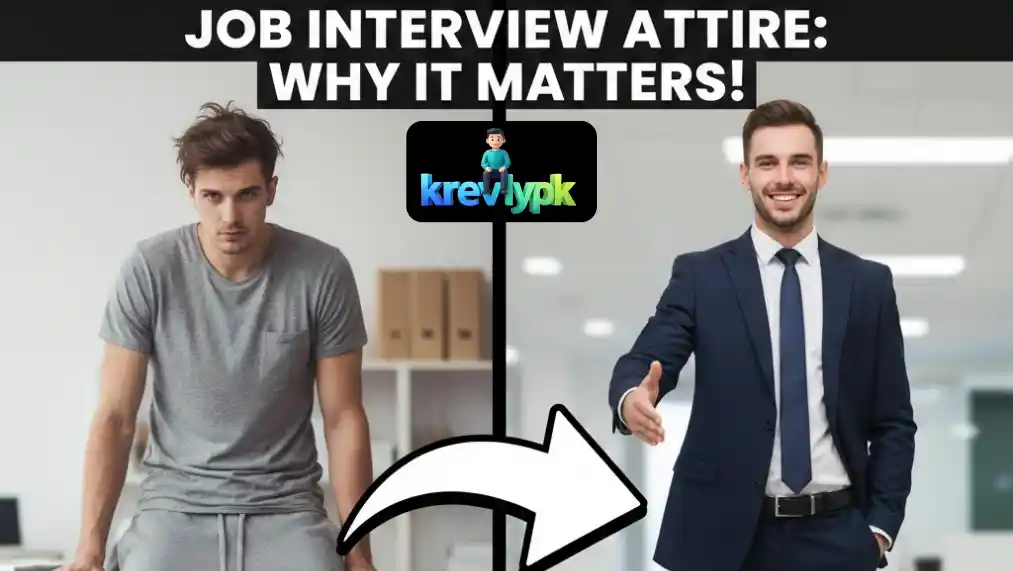
From My Experience
Early in my career, I went to an interview wearing a shirt that was two sizes too big. I spent the entire time pulling at my collar and adjusting my sleeves instead of answering questions. I was so distracted by my own messy outfit that I looked nervous and unprepared. I didn’t get the job. The lesson? If you’re uncomfortable in your clothes, it shows on your face.
First impression is the last impression I hope you have already heard about it.In our desi language (Saraiki) what our elders used to say is should be quite interesting:
The people around you will only see what you have worn on your body not what’s inside your stomach. You can eat normal food but you need to wear good clothes.

Our Elders
I always remember these lines because should be these are the foundations to making you as great human being. So, if you want to leave a great impression of yourselves you must dress up like professional which am going to guide you.
Why is clothing important in an interview?
There are multiple reasons why you must dress up as good as you. Its human physiology that we first look at dresses. I know some of you crazy guys will say I don’t care whatever someone is wearing blah, blah, blah. Bro you are not doing this but others are always doing this. Lets see some points why its important:
Important Checklist
Mistake (Don’t)
Bright, “loud” colors
Wrinkled or messy shirts
Too much perfume/cologne
Dirty or scuffed shoes
Loose or baggy fit
Solution (Do)
Stick to Navy, Grey, or Black
Iron everything the night before
Keep it subtle and fresh
Give them a quick polish
Wear clothes that actually fit you
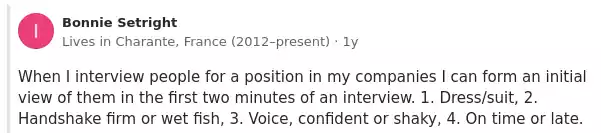
Psychologists say it takes just seconds to build up someones opinion about you. If you went to an interview those first seconds are much more critical than you think. If you enter into interview room nice clean clothes that shows you seriousness about your passion. Bonnie Setright on Quora used these words
It directly shows respect to the employer that you dressed up for them. You are just presenting yourself you showing that you care of them. If you build this much trust you are almost there.
Wearing good clothes will not just feel other good about yourself it also boost your confidence as well. Wearing professional attire helps you feel capable, motivated, and ready to impress others.
HR (Hiring managers) often look for candidates who pay attention to the small things. Wearing neat clean and fit clothes signal HR that this candidate take care of small details.
It Prevents Negative Thoughts
Assume you had worn something that too big or too loose that makes you an unprofessional person that make others form are negative thoughts about you.
Warning!
People might assume you didn’t prepare well or don’t value the opportunity.
How you can correct these mistakes before interview?
Correcting these mistakes is easy and everyone can do it. But i know after reading this 99% of them still fail in interview because their CV sucks. I have a complete detailed guide how do correct your CV?
Solution (Do)
Research the company’s dress code before interview.
Never choose Bright colors.
Ensure your formals are not too tight not too loose.
Take note of your nails, hairs and shoes before going interview room. 🙂
Avoid too much jewelry and too much hard perfume. (Yes)
Final Words
Dressing for success at a job interview isn’t about wearing the most expensive suit. It’s all about showing professionalism, confidence, and seriousness about your position. For more tips and jobs alert make sure to join our whatsapp group.
Leave a Comment